
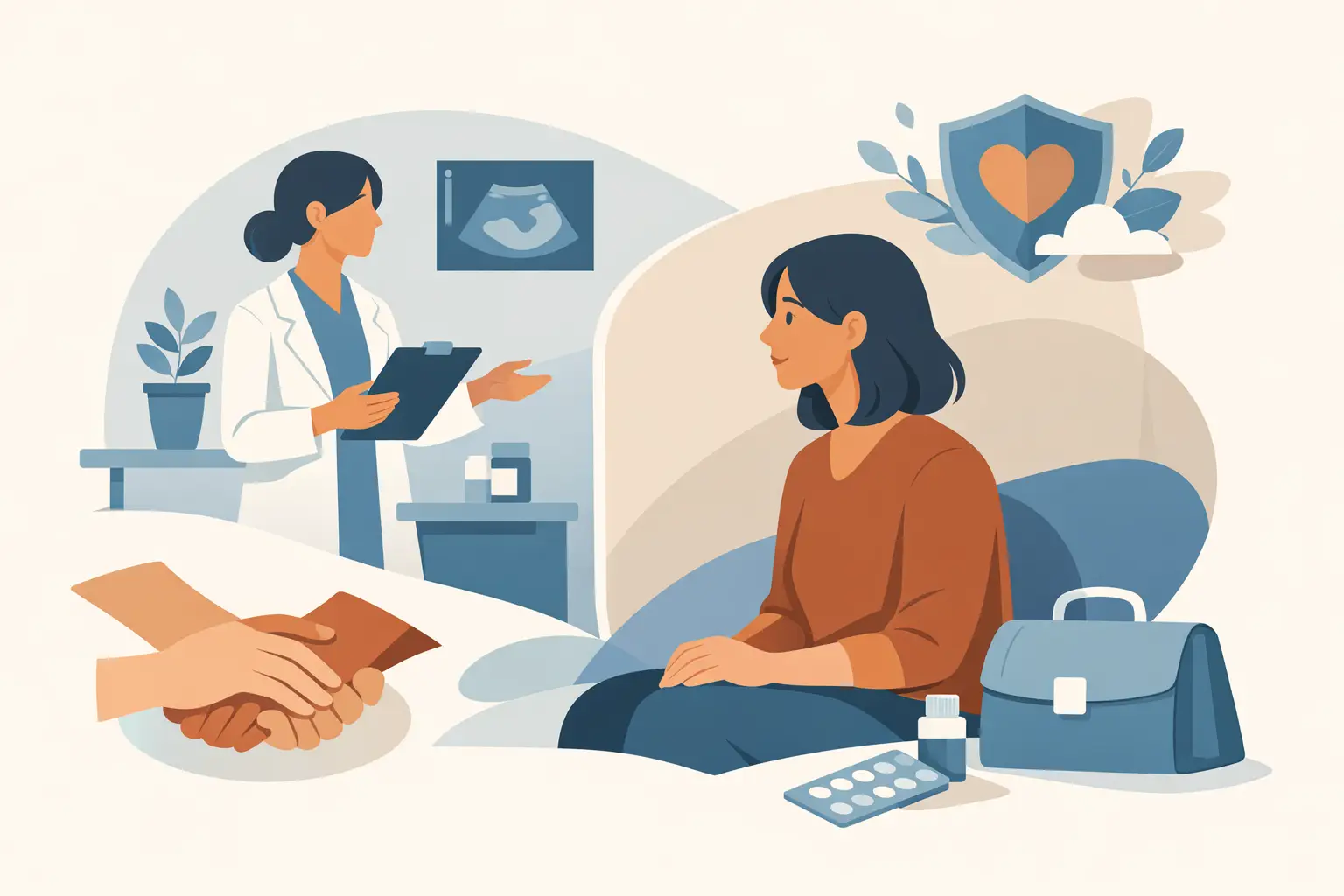
When you are staring at a positive pregnancy test and the first feeling is panic, privacy becomes just as important as medical care. For many women, especially those who are unmarried, the biggest fear is not only the pregnancy itself. It is who might find out, whether they will be judged, and whether they can get help quickly without losing control of the situation.
That is exactly why choosing a confidential abortion clinic for unmarried women matters. The right clinic does more than offer treatment. It protects your privacy, explains your options clearly, and gives you safe, legal care without pressure, shame, or unnecessary delays.
Why privacy matters so much for unmarried women
For unmarried women, an unintended pregnancy can come with layers of stress that other patients may not fully understand. There may be fear of family involvement, concern about a partner’s reaction, anxiety about cultural stigma, or worry that personal information could be shared. In some cases, the emotional pressure is even greater than the physical symptoms.
A confidential service should recognise this from the first conversation. That means discreet communication, respectful staff, private consultations, and clear policies about how your information is handled. It also means understanding that many women want answers fast and do not want to explain themselves repeatedly.
Confidentiality is not a luxury in abortion care. It is a basic part of feeling safe enough to make a medical decision calmly.
What to expect from a confidential abortion clinic for unmarried women
A clinic that genuinely supports unmarried women will not treat privacy as a vague promise. It should be built into every stage of care.
The first sign is how the clinic communicates. You should be able to ask questions privately, book discreetly, and receive information without feeling exposed. The second sign is the consultation itself. A proper medical assessment should focus on your health, your pregnancy stage, and the safest option for you, not on your marital status or anyone else’s opinion.
The third sign is non-judgemental care. This matters more than many people realise. When a woman feels judged, she may delay treatment, hide symptoms, or choose unsafe options. Compassionate clinical care reduces that risk and helps patients make clearer decisions.
At a specialist service such as Dr. Leena Abortion Centre, confidentiality is treated as part of patient safety, not as an afterthought. That matters if you need urgent guidance and want to speak to professionals who understand the sensitivity of your situation.
Your options depend on how many weeks pregnant you are
One of the most practical things a clinic should do is explain your options by pregnancy stage. This avoids confusion and helps you move quickly towards the right treatment.
Early pregnancy and abortion pills
In early pregnancy, a medical abortion may be suitable. This usually involves prescribed medication, often discussed as Cytotec-based treatment in specialist abortion care. It can be an option for women who want a private process and who are medically suitable after assessment.
However, early does not mean casual. Pills should never be taken blindly or without proper medical supervision. The exact timing of the pregnancy, your symptoms, your medical history, and the risk of ectopic pregnancy all need to be considered. A confidential clinic should explain how the medication works, what bleeding and cramping may feel like, and when to seek urgent help.
For some women, this route feels more private and manageable. For others, it can feel emotionally harder because the process happens over several hours or days. It depends on your circumstances, pain tolerance, and how much support you have around you.
Later pregnancy and in-clinic procedures
If the pregnancy is more advanced, or if pills are not the safest option, a surgical abortion may be recommended. This can also be the better choice if a woman wants the process completed more quickly under direct clinical supervision.
A reputable clinic should explain what procedure is appropriate for the number of weeks, how long it takes, what recovery is usually like, and what aftercare is needed. The benefit of in-clinic treatment is that it is monitored closely by experienced doctors. The trade-off is that it requires attendance at the clinic, which some women may find more stressful if they are trying to keep the situation entirely private.
That is why personalised advice matters. There is no single best option for every unmarried woman. The safest choice is the one that fits both your medical needs and your privacy concerns.
Do unmarried women need partner or parental consent?
This is one of the most common and most urgent questions. Many women delay getting help because they assume they cannot proceed without a partner, parent, or family member becoming involved.
In specialist abortion care, what matters first is legal eligibility and medical safety. A clinic should tell you clearly what documents or information are needed and whether anyone else’s consent is required in your case. If you are an adult, the decision about your healthcare should be handled with respect for your autonomy and privacy.
What matters here is not hearsay from social media or friends. It is getting accurate advice from a qualified clinic that understands the legal and practical realities where you are seeking care.
How to tell if a clinic is truly discreet
Not every clinic that says the word confidential handles patients with the same level of care. If discretion is a priority, pay attention to details.
A trustworthy clinic will answer questions directly, explain processes without being evasive, and give you a realistic timeline. It should be clear about who you will speak to, whether female doctors are available, and what kind of follow-up support you will receive. Good aftercare is especially important if you are managing recovery privately and need reassurance about bleeding, pain, or emotional symptoms.
It also helps when the clinic offers one place for consultation, treatment, and aftercare guidance. Having to search for separate answers from multiple providers often increases stress and creates more chances for misinformation.
Emotional support is part of proper care
Many unmarried women feel they have to stay composed and make decisions quickly without showing fear. In reality, even when the decision is clear, the experience can still feel heavy. Relief, sadness, urgency, guilt, and exhaustion can all exist at once.
A compassionate clinic will not make assumptions about how you should feel. It will give you factual medical advice while also treating you with kindness. That balance matters. Patients need both clear clinical information and space to ask difficult questions without embarrassment.
Emotional support does not have to mean long counselling sessions if that is not what you want. Sometimes it simply means being spoken to respectfully, being told what to expect, and knowing you can ask for help afterwards.
Fast access matters, but safe care matters more
When a woman needs private abortion care urgently, speed is often a major concern. Same-day advice, quick appointments, and emergency support can make a stressful situation feel more manageable. But urgency should never lead to unsafe shortcuts.
If a service offers treatment without proper assessment, gives vague instructions, or avoids answering questions about risk, that is not confidential care. That is unsafe care. A genuine clinic combines speed with medical supervision. It should help you act quickly without making you feel rushed into a choice.
This is especially important for unmarried women who may feel pressure to solve the problem in secret. Privacy should not come at the cost of safety.
Choosing care that protects your dignity
The best abortion care is not only about ending a pregnancy. It is about protecting a woman’s dignity at a moment when she may feel vulnerable, frightened, and alone. A confidential abortion clinic for unmarried women should give you privacy, legal clarity, female-led medical support where available, and practical guidance from the first contact to recovery.
You do not need to accept judgement in order to receive healthcare. You do not need to choose between discretion and safety. And you do not need to work everything out by yourself before asking for help.
If you are facing this decision now, look for care that speaks to you clearly, treats your privacy seriously, and helps you move forward with calm, safe support. That kind of care can make a difficult situation feel far more manageable.
