
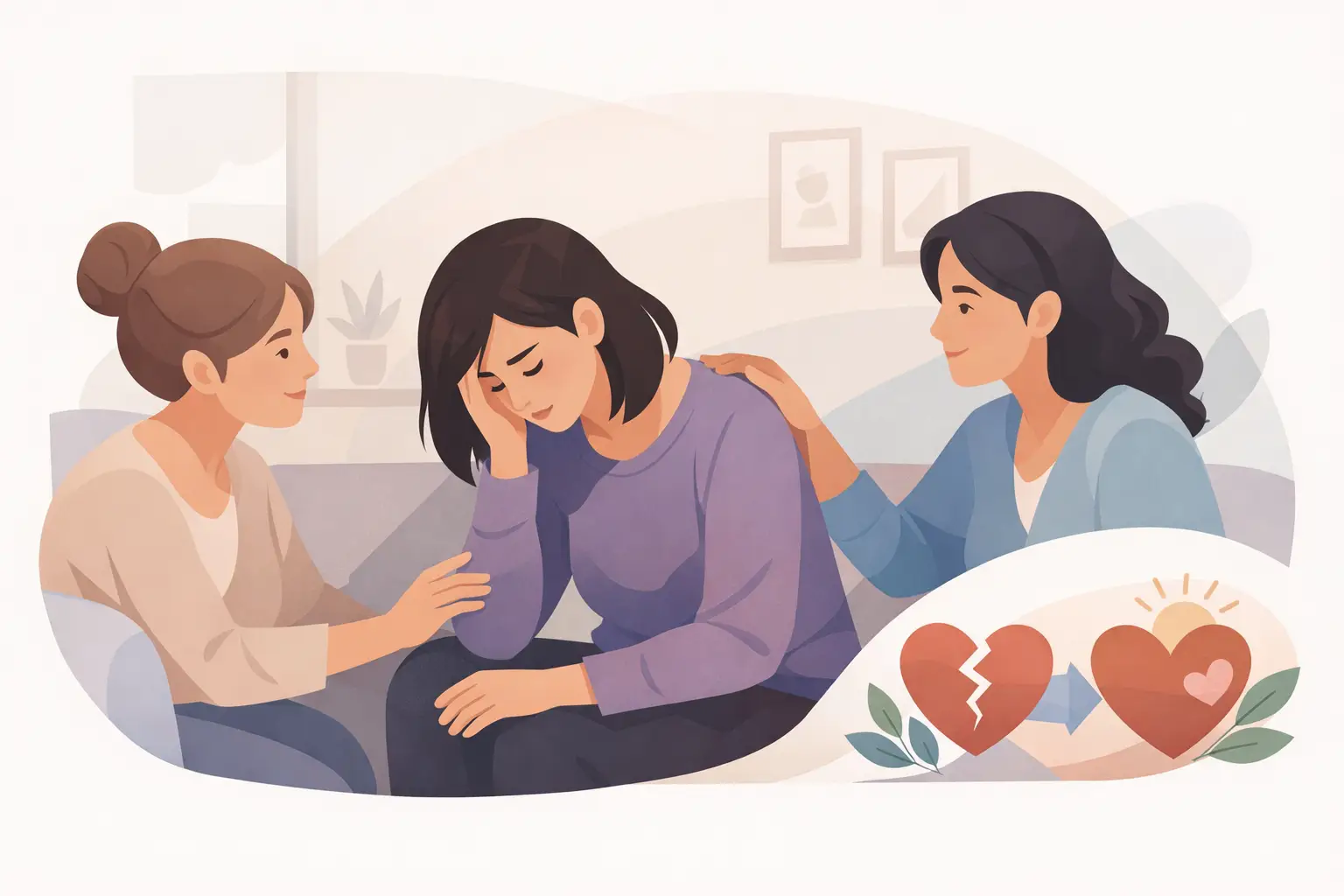
For some women, the hardest part begins after the appointment is over. You may feel relief straight away, or you may feel unsettled, tearful, numb, guilty, calm, or all of those things in the same day. Post abortion emotional support matters because there is no single correct way to feel after ending a pregnancy, and no one should be left to carry those emotions alone.
At a time like this, what most women need is not judgement or pressure to feel a certain way. They need privacy, clear reassurance, and space to process what has happened in their own time. Emotional recovery does not follow a fixed timetable. For some, it passes quickly. For others, it takes longer, especially if the pregnancy decision was stressful, complicated, or surrounded by secrecy.
Why post abortion emotional support matters
Abortion is a medical event, but it can also be an emotional one. Even when a woman feels certain she made the right decision, she may still grieve the circumstances that led to it. Relief and sadness can exist together. Confidence and doubt can sit side by side for a while. That does not mean anything is wrong.
The emotional response often depends on context. A woman who faced a health concern, financial pressure, relationship instability, or fear of family reaction may carry more emotional strain than someone who felt fully supported. If the pregnancy ended after a difficult discussion with a partner, or if the decision had to be kept private, that can add another layer of stress.
This is why post abortion emotional support should never be treated as optional. It is part of respectful aftercare. Good support helps reduce isolation, prevents women from blaming themselves unfairly, and offers a safe place to speak honestly without being judged.
What feelings are normal after an abortion
There is a wide range of normal. Many women feel immediate relief because a crisis has passed. Others feel tired, low, or emotionally flat for a few days, especially while dealing with bleeding, cramping, hormonal changes, and the effort of keeping everything private. Some women cry unexpectedly. Some want to talk. Some do not want to discuss it at all.
You may also notice delayed feelings. That can happen when you have been in survival mode, focused on getting through the procedure, arranging transport, hiding symptoms, or managing work and family responsibilities. Once the immediate pressure eases, emotions may surface later.
Certain feelings can be more common if you lacked support from a partner, felt pushed by someone else, or were worried about confidentiality. If your beliefs, family expectations, or cultural environment make abortion feel heavily stigmatised, the emotional impact may feel stronger. In those cases, support needs to be practical as well as compassionate.
When emotions may feel heavier than expected
Sometimes the issue is not simply sadness. It may be persistent guilt, panic, intrusive thoughts, trouble sleeping, or feeling disconnected from daily life. This can be especially hard if you are trying to appear normal while managing everything in silence.
It helps to be honest with yourself about intensity and duration. A difficult few days is one thing. Feeling overwhelmed for weeks, unable to work, eat, sleep properly, or cope with normal tasks is different. If the abortion followed coercion, domestic pressure, relationship abuse, or a traumatic medical situation, emotional recovery may need more structured support.
Hormonal shifts can also affect mood. That does not make your feelings less real. It simply means your body and mind may both be adjusting at the same time. Emotional care after abortion should recognise both.
Practical ways to find post abortion emotional support
The first step is choosing who deserves access to your feelings. Not everyone is safe to speak to. A trusted friend, sister, partner, counsellor, or female healthcare professional can help if they are calm, discreet, and non-judgemental. The right support person does not lecture, interrogate, or make the moment about their own beliefs.
If you do not have anyone you trust personally, professional support can be a better option. A confidential clinic or counsellor can give you space to talk without fear that your privacy will be compromised. This is often especially important for unmarried women or women who have gone through abortion in secrecy.
Small daily care also matters. Rest when you can. Keep your routine gentle for a few days. Eat regular meals, stay hydrated, and avoid forcing yourself to be socially available before you are ready. If writing helps, put your thoughts down privately. If silence helps more, allow that too. There is no rule that says healing must look expressive.
What supportive care should look like
Good emotional aftercare is calm, respectful, and free from stigma. It should reassure you that mixed feelings are common. It should also give you clear guidance on what to watch physically and emotionally, so uncertainty does not increase anxiety.
A healthcare provider offering proper aftercare should not disappear once the procedure or medication is complete. You should be able to ask questions about bleeding, pain, follow-up, contraception, or emotional distress without feeling embarrassed. For many women, simply knowing that help is available reduces panic.
At specialised clinics such as Dr. Leena Abortion Centre, this kind of support is part of compassionate abortion care. Women need more than treatment alone. They need confidential follow-up, clear answers, and the assurance that they can speak openly without being judged.
Signs you should seek extra help
You do not need to wait for a crisis to ask for support. Still, some signs suggest you should reach out sooner rather than later. If you are having repeated panic attacks, persistent low mood, severe guilt that does not ease, thoughts of self-harm, or strong emotional distress that is affecting your safety or ability to function, professional help is the right next step.
The same applies if your emotions are tied to coercion, abuse, or fear of someone finding out. In those situations, emotional support and safety planning may need to happen together. Confidential medical providers can often guide this more sensitively than general advice from friends.
Physical symptoms can affect emotional wellbeing too. If pain, prolonged bleeding, fever, or uncertainty about whether the abortion is complete is making you anxious, get medical advice promptly. Sometimes emotional distress worsens simply because a woman is frightened by symptoms she does not understand.
Supporting yourself without self-punishment
Many women are harsher with themselves than they would ever be with a friend. They replay the decision, question every detail, and tell themselves they should feel only relief or only sadness. Real recovery is rarely that tidy.
Try to speak to yourself in plain, kind language. You made a decision in a real situation, not in a perfect one. You do not need to prove your pain to anyone, and you do not need to justify your relief either. Both are valid.
If certain dates, places, or conversations trigger emotion later, that does not mean you are going backwards. Healing is not linear. Some women feel fine for weeks and then become upset unexpectedly. Others feel emotional at first and then settle. Both patterns can be normal.
How partners and friends can help
The most useful support is simple. Listen more than you speak. Do not push her to explain herself. Do not ask whether she regrets it unless she raises that herself. Offer practical help, check in gently, and respect her privacy.
What sounds supportive to one woman may feel intrusive to another. Some want company. Some want space. It is better to ask, “What would help you most right now?” than to assume. Quiet presence is often more helpful than advice.
If you are the person supporting someone after an abortion, keep your own beliefs in the background. This is not the time for moral debate, emotional pressure, or careless comments. Compassion means allowing her experience to be her own.
Some women feel better quickly. Others need more time, more reassurance, or more structured care. Neither response is wrong. Post abortion emotional support is about meeting women where they are, protecting their privacy, and making sure they do not feel abandoned after a deeply personal medical decision.
Be gentle with yourself in the days ahead. You do not have to carry every feeling at once, and you do not have to face it without support.