
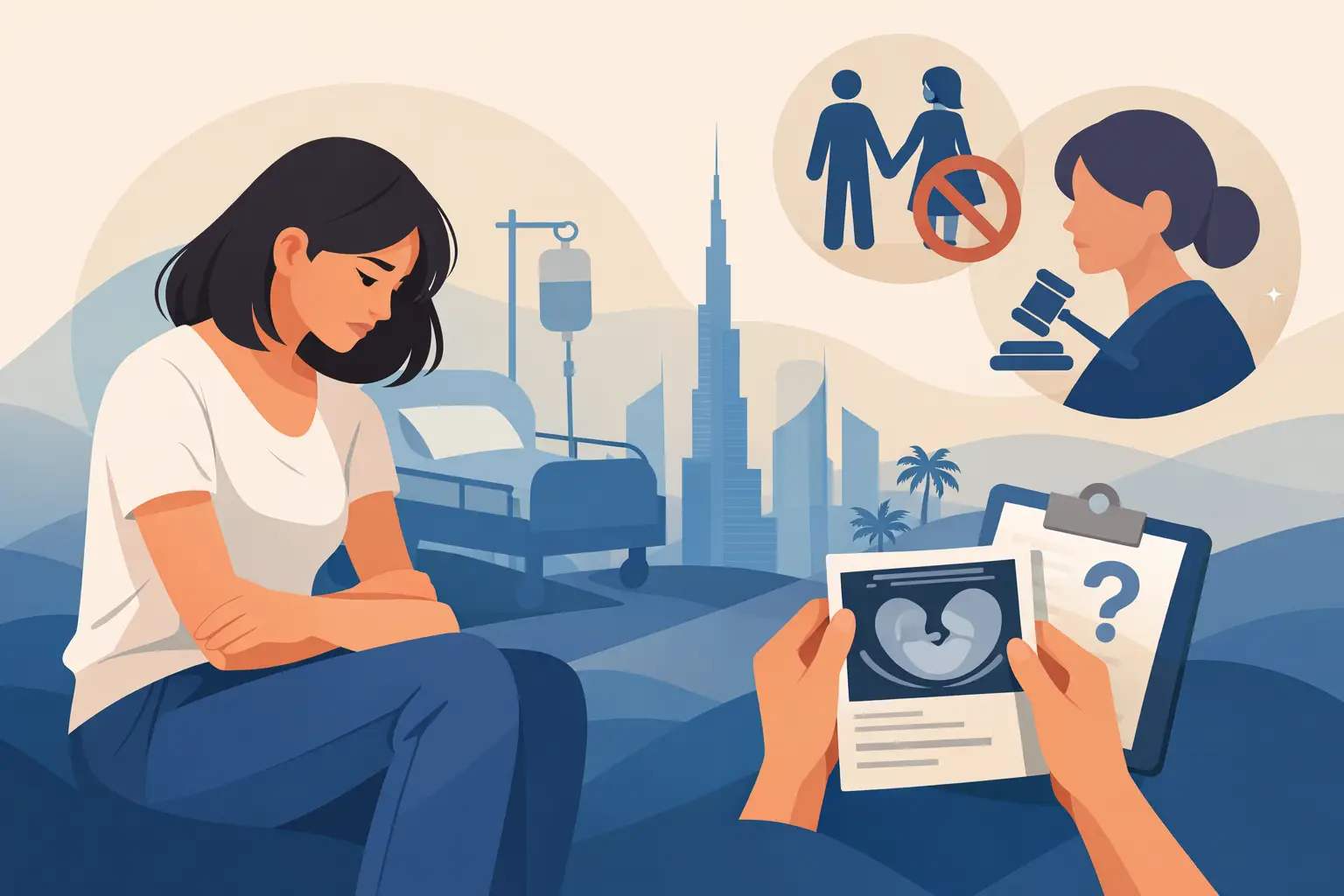
A missed period can turn into panic very quickly, especially if you are single and worried about privacy, family pressure, or being judged. If you are asking can unmarried women abort, the real need behind that question is usually simple: can I get safe, confidential help without involving anyone I do not trust?
The answer depends on your pregnancy stage, your medical situation, and the legal and clinical pathway available to you at the time you seek care. What matters most is avoiding unsafe methods, getting accurate advice early, and speaking to a qualified provider who understands both the medical side and the need for discretion.
Can unmarried women abort safely and confidentially?
For many women, the biggest fear is not only the pregnancy itself. It is whether their personal circumstances will expose them to shame, delay, or pressure from others. Unmarried women often look for abortion care under intense emotional stress, which makes clear and confidential support essential.
In practice, safe abortion care should focus on your health first. A proper assessment usually considers how many weeks pregnant you are, whether the pregnancy is inside the uterus, your symptoms, and whether pills or a procedure are medically more appropriate. Being unmarried does not change the medical need for safe treatment, but it can affect how urgently privacy and careful handling matter to the patient.
Confidential care means your information is handled discreetly, your consultation is respectful, and your options are explained without judgement. That is especially important if you are worried about a partner, family member, employer, or landlord finding out. A trustworthy clinic will understand that privacy is not a luxury here. It is often the reason a woman seeks help at all.
What usually matters more than marital status
When women search can unmarried women abort, they are often expecting a yes or no answer. Real care is more nuanced than that. Medical providers do not assess abortion only through one personal detail. They look at timing, symptoms, safety, and the type of care needed.
If the pregnancy is very early, medical abortion may be considered. This usually involves prescribed medication under professional guidance. If the pregnancy is further along, a procedural or surgical option may be safer and more effective. If there is severe pain, heavy bleeding, fainting, or signs of ectopic pregnancy, urgent medical assessment becomes the priority.
This is why early contact matters. The sooner you seek advice, the more options may be available and the lower the chance of complications. Waiting because of fear or stigma can make the situation harder, both physically and emotionally.
Timing changes your options
Early pregnancies are often managed differently from later ones. A woman who is only a few weeks pregnant may have a different pathway from someone in the second trimester. This is not about judgement. It is about clinical safety.
Medical abortion is generally used in early pregnancy, but it still requires proper screening. Not every woman is suitable for pills, and not every pregnancy should be managed the same way. If dates are uncertain, an assessment may be needed before treatment is advised.
Symptoms can change the urgency
If you have severe cramps on one side, shoulder pain, fever, dizziness, or bleeding that is soaking through pads very quickly, do not rely on internet advice alone. These symptoms need urgent review. In those situations, the first question is not can unmarried women abort. It is whether you are medically stable and receiving the right care.
Consent, privacy and support
One of the most common concerns among unmarried women is whether they need a partner’s permission or family involvement. In a respectful clinical setting, care should centre on the patient. Your consultation should be about your health, your informed decision, and your safety.
Good abortion care also includes emotional support. Some women feel certain about their decision from the start. Others feel conflicted, frightened, or under pressure. Both responses are normal. A compassionate provider will not shame you for either. They will explain what to expect, what the risks are, and what aftercare involves, so you can make a clear decision rather than a panicked one.
Privacy also extends beyond the consultation room. Many women need discreet appointment handling, confidential communication, and practical guidance about recovery. These details matter because fear of exposure is often as distressing as the pregnancy itself.
Can unmarried women abort with pills?
For women with an early pregnancy, pills may seem like the most private option. In many cases, that privacy is one reason women ask for them first. But privacy should never come at the cost of safety.
Abortion pills are not something to buy casually from an unknown source or take without guidance. The dose, timing, and suitability depend on how far along the pregnancy is and whether there are warning signs that need medical review first. Counterfeit medicines, incorrect instructions, and lack of follow-up can lead to incomplete abortion, heavy bleeding, infection, or missed ectopic pregnancy.
A properly supervised medical abortion should include clear advice on how to take the medication, what level of cramping and bleeding is expected, what pain relief may help, and when to seek urgent care. It should also include follow-up to confirm the abortion is complete.
That is where specialist support makes a real difference. A clinic such as Dr. Leena Abortion Centre focuses on confidential, female-led care designed for women who need prompt answers, legal awareness, and practical guidance without judgement.
Why unsafe abortion is never worth the risk
When a woman feels trapped, she may be tempted by secrecy over safety. That can mean unverified pills, dangerous home methods, or advice from people with no medical training. These choices can lead to serious complications, including severe bleeding, infection, incomplete abortion, and delayed emergency treatment.
The trade-off is clear. What looks quicker or easier at first can become far more frightening and expensive later. Safe care may still feel emotionally difficult, but it protects your health and gives you medical support if something does not go as expected.
This is especially important for unmarried women who may already feel isolated. If you are carrying the stress alone, you need medically sound care even more, not less.
What to expect from a judgement-free consultation
A good consultation should feel calm, private, and straightforward. You should be asked about your last period, symptoms, medical history, allergies, and any medicines you are already taking. Depending on your situation, you may need an examination or scan before the safest option is confirmed.
You should also receive honest advice about what each route involves. Pills may allow more privacy at home, but they can involve hours of cramping and bleeding and may not be suitable for every case. A procedure may feel more intimidating, but in some pregnancies it is the safer, faster, and more predictable option. Neither path is universally better. It depends on your health, the pregnancy stage, and what can be managed safely.
Aftercare should not be treated as an afterthought. You should know what symptoms are expected, when fertility can return, when to take a pregnancy test if advised, and when to seek urgent review. Support after the abortion matters just as much as treatment itself.
If you are asking can unmarried women abort, ask this too
The better question is not only whether unmarried women can access abortion care. It is whether the care is safe, confidential, prompt, and clinically appropriate for your situation.
If you are pregnant and do not want to continue the pregnancy, you deserve factual information, discretion, and respectful medical support. You should not have to choose between silence and unsafe options. The earlier you ask for help, the more likely it is that your choices remain clear and your care remains simpler.
Whatever your circumstances, protect your health first. Quiet, compassionate support from a qualified provider can turn a frightening moment into a manageable one, and that is often the first real step towards feeling in control again.