When you are dealing with an unintended pregnancy, the question is rarely abstract. It is immediate, personal, and often time-sensitive. Choosing between a private consultation or teleconsultation can shape how quickly you get answers, how safe you feel during the process, and how much privacy you are able to keep around your care.
For many women, the first concern is not simply medical treatment. It is whether they can speak to a qualified doctor without judgement, without pressure, and without exposing their situation to people they do not want involved. That is why the consultation format matters. The right option should help you feel informed, protected, and in control.
Private consultation or teleconsultation – what is the difference?
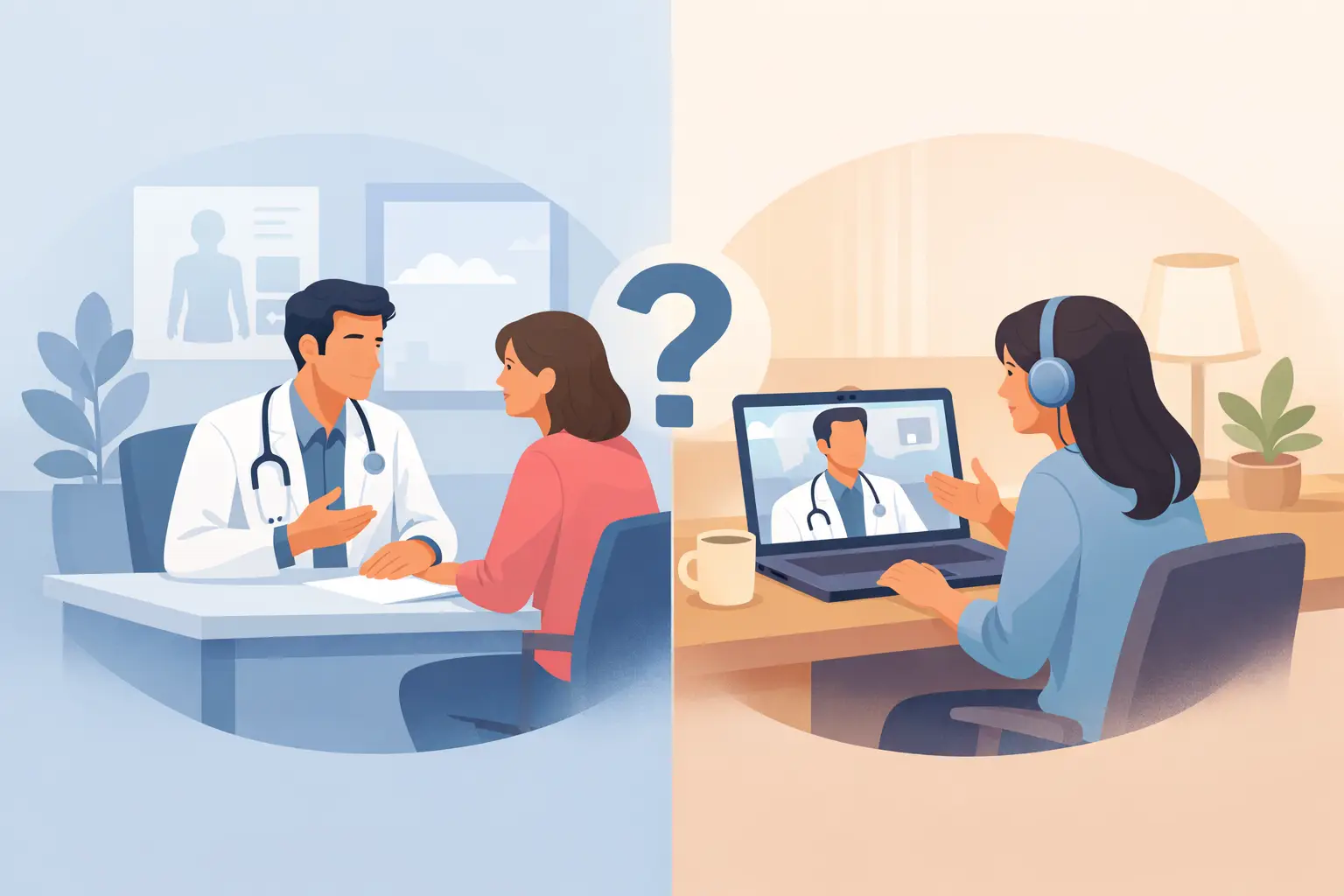
A private consultation usually means seeing a doctor in person in a confidential clinical setting. You can discuss your pregnancy, symptoms, options, medical history, and concerns face to face. If needed, an examination or scan can often be arranged as part of the same care pathway.
A teleconsultation is a remote medical consultation by phone or video. It allows you to speak with a qualified clinician from a private location, ask urgent questions, and receive guidance without travelling to a clinic. For women who feel anxious about being seen, who cannot easily leave home, or who need answers quickly, this can be a very reassuring first step.
Neither option is automatically better in every case. The safest choice depends on how far along the pregnancy is, what symptoms you are having, your medical background, and how much immediate clinical assessment is required.
When a private consultation may be the better choice
An in-person appointment can be the right option when there are medical details that need closer assessment. If you are unsure of your pregnancy dates, have irregular bleeding, severe pain, a history of ectopic pregnancy, or a more complex health condition, a private consultation may offer a clearer and safer starting point.
It can also be the better choice if you already know you may need a surgical procedure, or if the pregnancy is beyond the earliest weeks where medication is commonly considered. In these situations, face-to-face care allows the doctor to assess you more fully and explain what treatment is medically appropriate.
Some women simply feel calmer when they are in the room with a female doctor and can speak openly in person. That matters. Emotional comfort is not a minor detail. If seeing someone face to face helps you ask better questions and feel more secure in your decision, that is a valid reason to choose a private consultation.
When teleconsultation may be the better choice
Teleconsultation is often ideal when privacy and speed are your first priorities. If you need urgent advice, want to understand your options before attending a clinic, or feel frightened about discussing pregnancy in person, a remote consultation can remove the first barrier to care.
It is also useful for women who are in a difficult personal situation. You may be living with family, sharing accommodation, concerned about stigma, or unable to travel easily. In those circumstances, teleconsultation gives you access to medical guidance without forcing you to explain where you are going or why.
For early pregnancies, teleconsultation can also help a doctor decide whether medical abortion may be suitable, what warning signs need urgent attention, and what the next safe step should be. It is practical, discreet, and often faster to arrange than an in-clinic visit.
The real issue is safety, not just convenience
When women search for remote abortion advice, many are looking for the quickest route. That is understandable. But quick care should still be medically supervised care. A proper consultation, whether private or remote, should cover your pregnancy timing, symptoms, general health, previous pregnancies, allergies, and any risk factors that could affect treatment.
This is especially important if you are considering abortion pills. Not every pregnancy is suitable for medication, and not every symptom should be managed at home without assessment. A responsible clinician will not rush you through the conversation. They will ask direct questions, explain what is safe, and tell you honestly if you need a scan or in-person review first.
Convenience matters, but safety matters more. The best service gives you both where possible.
Private consultation or teleconsultation for abortion care
In abortion care, the consultation is not just an administrative step. It is where your treatment pathway is decided. A doctor needs to establish whether you may be eligible for medical abortion, whether there are signs that need urgent checking, and whether home-based treatment is appropriate or not.
For some women, teleconsultation is enough to begin that process safely. For others, it is the first step before attending for imaging, medication collection, or a procedure. The key point is that remote care should not mean unsupported care. You should know who is advising you, what to expect next, and how to get help if symptoms change.
At a specialist service such as Dr. Leena Abortion Centre, women often value having both options available because their needs are not all the same. One patient may need immediate remote guidance and discreet medication support. Another may need an in-person assessment because the pregnancy is later or symptoms suggest that clinic review is safer. Good care adapts to the patient, not the other way round.
Questions to ask before choosing either option
If you are unsure which route is right, focus on the quality of care rather than the format alone. Ask whether the consultation is with a qualified doctor, whether your information will remain confidential, and whether you will receive clear aftercare guidance.
You should also ask what happens if your case is not straightforward. Will the clinician tell you if you need an in-person assessment? Can you get urgent support if pain or bleeding becomes concerning? Will they explain the legal and medical aspects clearly, without pressuring you into a decision?
These questions matter because privacy without medical accountability is not enough. You deserve both discretion and proper care.
Why many women start with teleconsultation
For women in Dubai and across the UAE, teleconsultation can be a practical first step when the situation feels overwhelming. It allows you to speak confidentially, understand your options, and decide what to do next without delay. That first conversation can reduce panic very quickly.
It also gives you space. Some women are not ready to walk into a clinic before they understand what care may involve. They want to know whether treatment is possible, how private the process is, and whether they can manage it without involving a partner or family member. Teleconsultation can answer those questions in a calm, confidential setting.
That said, a remote appointment should not make you feel brushed aside. If your symptoms suggest a risk, or if your pregnancy stage requires closer assessment, a trustworthy doctor will guide you towards in-person care without hesitation.
There is no one right answer for everyone
Some women need the reassurance of a private consultation because their case is medically or emotionally complex. Others need the discretion and speed of teleconsultation because privacy is essential and time is tight. Both are valid. Both can be safe when managed properly.
The better question is not which option sounds easier. It is which option gives you the clearest medical advice, the strongest sense of confidentiality, and the safest next step for your situation. In some cases, that will be remote care. In others, it will be in-person review. And sometimes the safest pathway includes both.
If you are feeling frightened, rushed, or unsure, start with the option that allows you to speak to a qualified, compassionate doctor as soon as possible. A calm conversation with the right clinician can turn confusion into a plan, and that is often the moment women begin to feel in control again.