The hours and days after an abortion can feel uncertain, especially if you are trying to work out what is normal and what needs medical attention. Knowing the abortion recovery signs to watch can make this period feel more manageable. Most women recover well with the right guidance, but some symptoms should never be ignored.
Recovery is not exactly the same for everyone. It depends on whether you had abortion pills or a surgical procedure, how far along the pregnancy was, and your own health history. Some bleeding, cramping, tiredness, and emotional ups and downs can be expected. The key is recognising when those symptoms stay within the normal range and when they begin to suggest a complication.
Abortion recovery signs to watch in the first 48 hours
For many women, the first two days bring the strongest physical symptoms. After abortion pills, cramping and bleeding are often heavier at the beginning because the uterus is emptying. After a surgical abortion, cramping is usually milder, but you may still notice bleeding similar to a period.
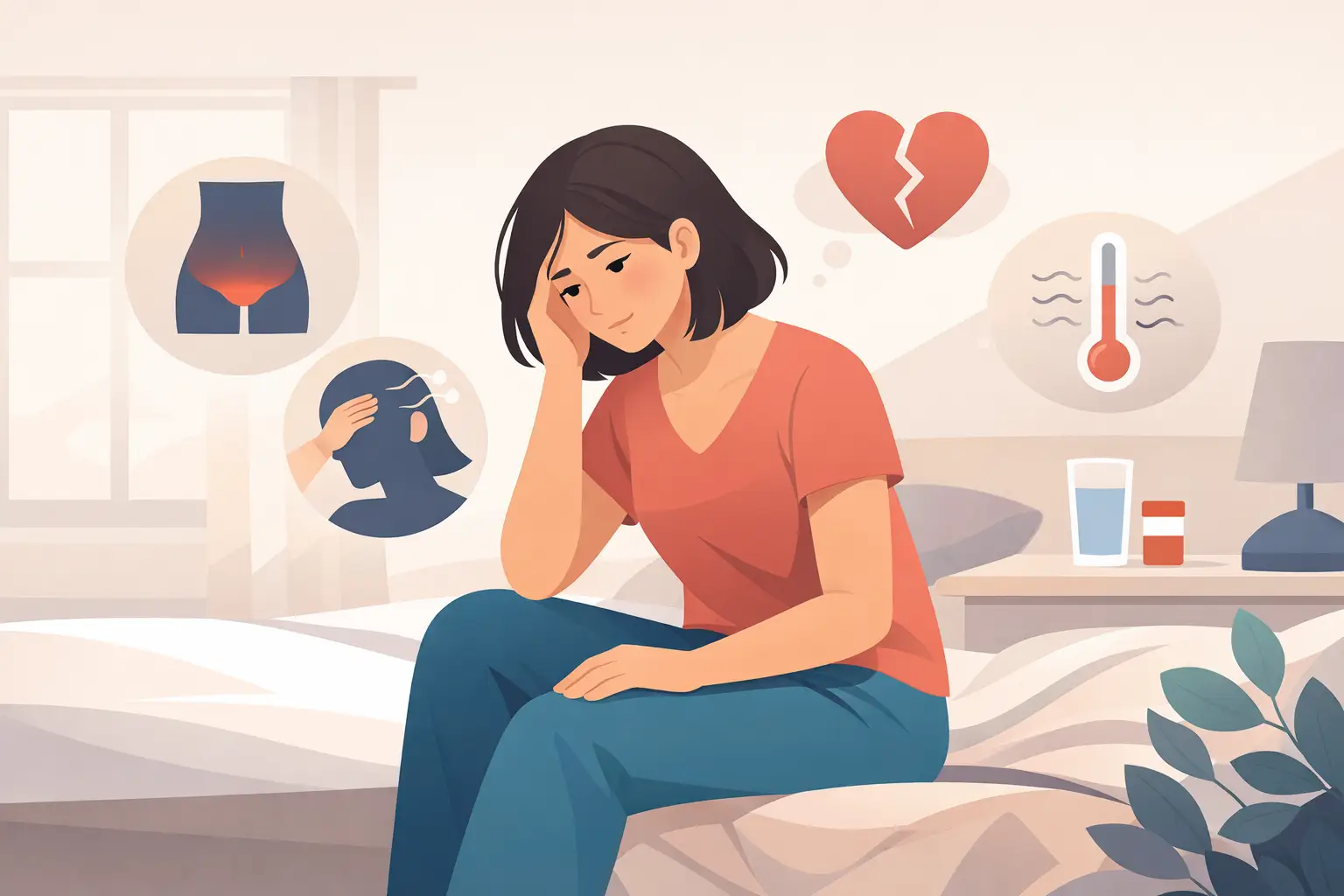
Normal recovery usually includes moderate cramping, vaginal bleeding that gradually settles, passing small or medium clots, nausea that improves, breast tenderness, and tiredness. Some women also feel chilled or emotional for a short time. These symptoms can be unpleasant, but they are often part of the expected recovery process.
The signs that deserve closer attention are different. If you are soaking through two or more large sanitary pads an hour for two consecutive hours, that is too much bleeding. If you have severe abdominal pain that does not improve with prescribed pain relief, that is not something to wait out. A fever, foul-smelling discharge, dizziness, fainting, or feeling increasingly unwell are also warning signs.
Heavy bleeding can be confusing because some bleeding is meant to happen. The difference is intensity and duration. Passing a few clots can be normal. Constantly flooding pads, feeling weak, or seeing bleeding get heavier instead of lighter needs urgent review.
What bleeding should look like during recovery
Bleeding patterns vary, and this is one of the most common reasons women become worried. After abortion pills, bleeding is often heavier than after a procedure and may come in waves. You may bleed heavily at first, then lightly, then notice another heavier episode a few days later. That can still be normal.
After a surgical abortion, bleeding is often lighter and may stop sooner, although some women spot on and off for up to two weeks. Brown blood is usually older blood leaving the body and is not usually a concern on its own.
What matters is whether the bleeding is easing over time. If it suddenly becomes very heavy, contains very large clots repeatedly, or is linked with strong pain and fever, you should contact a qualified provider. This is one of the clearest abortion recovery signs to watch because it can point to retained tissue, infection, or another complication.
Pain that is expected and pain that is not
Cramping happens because the uterus is returning to its usual size. Many women describe it as period pain, while others find it stronger for a few hours, especially after taking abortion pills. This pain should gradually improve.
Pain becomes concerning when it is severe, one-sided, or continues to worsen instead of settling. If you cannot stand upright comfortably, if pain relief does not help, or if the pain is paired with fever, vomiting, or heavy bleeding, that needs medical assessment. Severe pain is not something to self-manage in silence.
There is also a difference between pelvic pressure and sharp abdominal pain. A dull ache may be part of recovery. Sharp, persistent, or escalating pain is not typical and should be checked quickly.
Signs of infection after an abortion
Infection is uncommon when abortion care is carried out properly, but it remains one of the most important complications to watch for. Early treatment matters because infections can become serious if ignored.
Possible signs of infection include a fever, chills, worsening pelvic pain, foul-smelling vaginal discharge, and feeling generally unwell. Some women describe this as feeling like they are coming down with flu, but with increasing abdominal discomfort and unusual bleeding or discharge.
A mild change in vaginal discharge can happen during recovery, so context matters. If the discharge has a strong unpleasant smell, looks pus-like, or is paired with pain or fever, it should not be dismissed. Women sometimes wait because they are hoping it will pass by itself. That delay can make treatment harder.
Emotional recovery matters too
Physical symptoms are only one part of healing. Emotional recovery can be steady, mixed, or unexpectedly intense. Some women feel relief immediately. Others feel tearful, numb, irritable, or emotionally drained for a few days. All of these responses can happen without meaning something is wrong.
What deserves attention is emotional distress that feels overwhelming, persistent, or unsafe. If you are unable to sleep, struggling to function, having panic symptoms, or feeling hopeless, support is important. Hormonal shifts, stress, secrecy, relationship pressure, and previous mental health difficulties can all affect recovery.
There is no correct emotional response after an abortion. What matters is whether you feel supported and safe. Compassionate aftercare should include space for both your physical and emotional wellbeing.
When pregnancy symptoms do not go away
One of the less obvious abortion recovery signs to watch is the return, or persistence, of pregnancy symptoms. Mild nausea or breast tenderness can take a little time to settle, especially in the first few days. Hormones do not disappear instantly.
However, if strong pregnancy symptoms continue for more than a week, or you feel they are getting stronger rather than fading, it may suggest the pregnancy has not fully ended. This can happen after medical abortion if the treatment has been incomplete. Ongoing symptoms should be reviewed with a proper follow-up plan.
This is why medical supervision matters. A woman should not be left guessing whether the process has worked. Follow-up advice, and where needed a scan or clinical review, can provide clarity and protect your health.
Recovery after pills versus recovery after a procedure
The type of abortion you had affects what recovery may look like. After abortion pills, stronger cramping and heavier bleeding are usually more common in the early stage. The process can feel more drawn out, with bleeding and spotting continuing on and off for days or sometimes weeks.
After a surgical abortion, the recovery may feel quicker physically, but that does not mean there are no risks. Infection, fever, ongoing pain, and heavy bleeding still need attention. Some women prefer the predictability of an in-clinic procedure, while others prefer the privacy of pills. Neither option is automatically easier for everyone. It depends on gestation, medical history, and what kind of support you have around you.
When to seek urgent help
You should seek urgent medical help if you have very heavy bleeding, severe pain, a fever, fainting, difficulty breathing, or foul-smelling discharge. You should also get reviewed if you feel something is simply not right. Women are often told to ignore their instincts, but in healthcare that can be risky.
If your care has been confidential, your aftercare should be too. A trusted provider should be able to guide you clearly, without judgement, and tell you whether your symptoms sound normal or whether you need to be seen quickly. If you are in Dubai or elsewhere in the UAE and need discreet support, Dr. Leena Abortion Centre provides confidential guidance designed for exactly these situations.
How to support a safer recovery
Rest helps, but recovery is not only about staying in bed. Use sanitary pads rather than tampons in the immediate recovery period so bleeding is easier to monitor. Take any prescribed medicines exactly as directed. Avoid guessing with internet advice when your symptoms are changing quickly.
It also helps to keep track of timing. Note when bleeding started, whether it is becoming lighter or heavier, and whether pain relief is working. These details can make it easier for a clinician to assess you properly if you need support.
Privacy matters, but so does safety. If you are recovering alone, try to have at least one trusted contact available by phone. You do not need to tell everyone your business, but you should not feel that you have to manage a medical concern without support.
If you are recovering after an abortion, the aim is not to watch your body with fear. It is to understand what is expected, trust your instincts when something feels wrong, and get compassionate help early if you need it.