Cramping starts for many women within a few hours, and that can be unsettling if nobody has explained what is normal beforehand. When people search for abortion pill side effects, they are usually not looking for textbook language. They want clear answers, reassurance, and honest guidance about what their body may do next.
If you are considering a medical abortion, or you have already taken the first tablets, knowing what to expect can reduce fear and help you recognise when you need extra support. Some side effects are expected and show that the medication is working. Others need medical attention. The difference matters.
What abortion pill side effects are common?
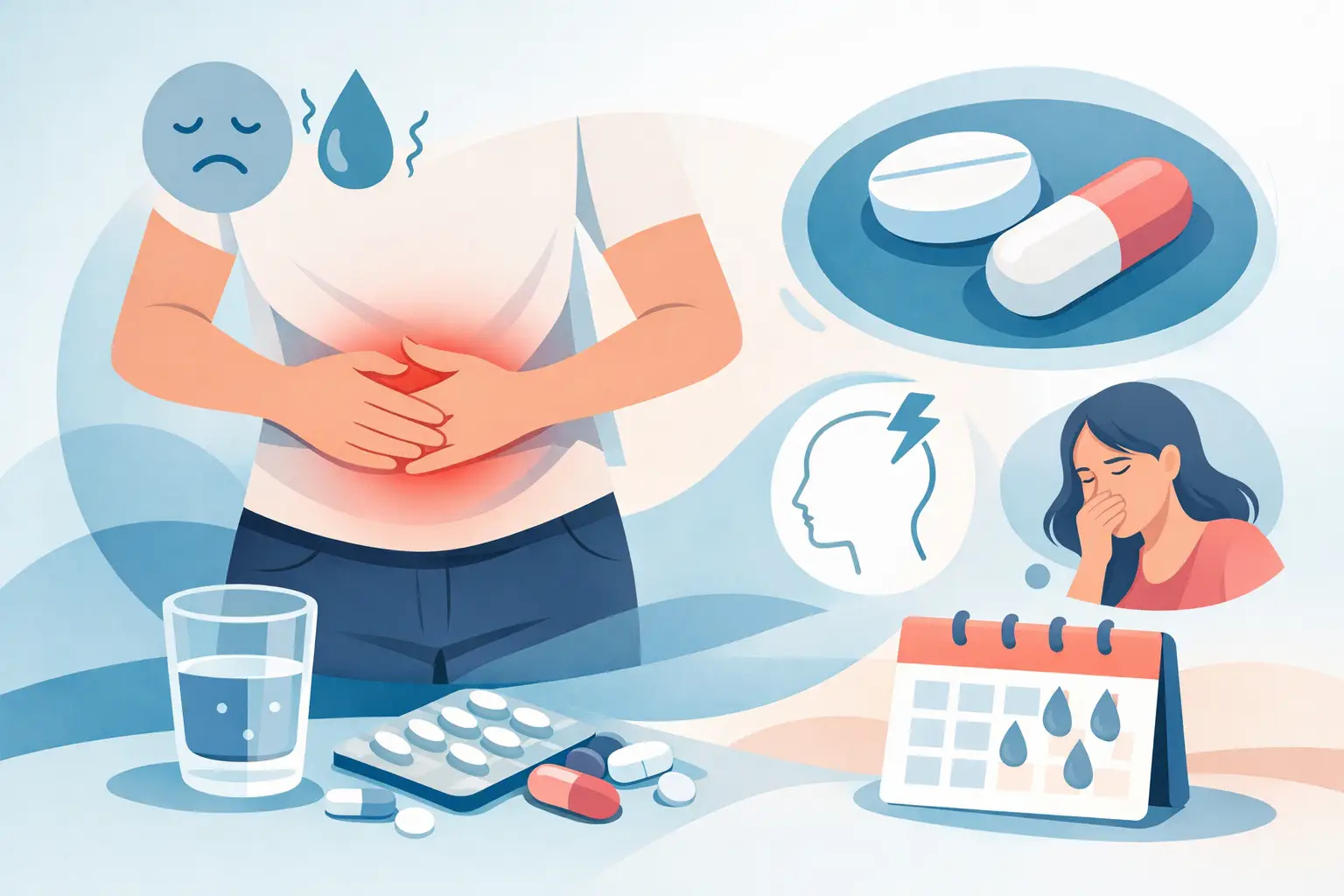
Most women experience a combination of bleeding, cramping, nausea, tiredness, and stomach upset. These are the most common abortion pill side effects and, in many cases, they happen because the uterus is emptying and the body is responding to the medication.
Bleeding is usually heavier than a normal period, especially after the second medicine is taken. It is also common to pass clots. For some women, this is brief and intense. For others, it comes in waves over several hours. Light bleeding or spotting can then continue for days or sometimes a couple of weeks.
Cramping can range from mild to strong. Some women describe it as a heavy period. Others find it more painful than expected, particularly if the pregnancy is slightly further along within the early treatment window. Pain does not always mean something is wrong, but severe pain that does not improve with prescribed medication should not be ignored.
Nausea, vomiting, diarrhoea, dizziness, chills, and a mild fever can also happen. These effects are usually short-lived. Tiredness is common too, not only because of the medicine but because bleeding, pain, stress, and lack of sleep can all take a toll.
Why the side effects can feel intense
Medical abortion is not the same as taking a routine tablet for a headache or infection. The medicines cause the pregnancy to stop developing and then trigger the uterus to contract and expel its contents. That process can feel physically and emotionally intense, even when it is medically straightforward.
This is why proper guidance matters. If a woman takes abortion pills without knowing the likely timeline, normal symptoms can feel frightening. On the other hand, if she is told that everything is normal no matter what, serious warning signs can be missed. Safe care sits in the middle – clear information, medical supervision, and access to follow-up.
The timing of abortion pill side effects
The first medicine, if used in a standard regimen, may cause very few symptoms. Some women notice light bleeding, nausea, or cramping, while others feel almost nothing at all. The stronger effects usually begin after the second medicine is taken.
After that second stage, cramping and bleeding often begin within a few hours. For some women it starts quickly. For others, it takes longer. The heaviest bleeding and strongest cramps are often over within several hours, but lighter bleeding can continue afterwards.
It is also normal to feel physically drained for a day or two. Many women need rest, fluids, pain relief, and privacy. If you can, it helps to have a safe place to stay during the process and a trusted medical contact in case you need advice.
What is normal and what is not?
This is where many women need the most reassurance. Normal abortion pill side effects can include heavy bleeding, clots, cramping, nausea, loose stools, mild fever for a short time, and feeling emotional or tired. That does not always mean the experience will be easy, but it can still be within the expected medical range.
What is not normal is soaking through two or more large sanitary pads an hour for two consecutive hours, fainting, severe pain that does not ease, a persistent high temperature, foul-smelling discharge, or feeling very unwell after the initial process should have settled. These can point to complications such as heavy blood loss, infection, or an incomplete abortion.
There is also the possibility that the medication does not fully work. In that case, bleeding may be much lighter than expected, pregnancy symptoms may continue, or follow-up may show retained tissue or an ongoing pregnancy. This is one reason aftercare is not optional. It is part of safe treatment.
Emotional effects matter as well
Not all side effects are physical. Some women feel relief almost immediately. Others feel anxious, tearful, numb, or emotionally exhausted. Many feel more than one thing at once. That range is normal.
What often makes the experience harder is secrecy, pressure, or fear of being judged. A woman who is already carrying stress about privacy, family reactions, or relationship problems may feel emotionally overwhelmed even if the medical process is going as expected. Compassionate support matters just as much as clinical accuracy.
How to make abortion pill side effects easier to manage
The goal is not to pretend there will be no discomfort. The goal is to make the process safer, calmer, and more manageable.
Use the medication exactly as prescribed by a qualified provider. Have the recommended pain relief ready before symptoms begin. Wear comfortable clothing, use sanitary pads rather than tampons unless advised otherwise, drink water regularly, and plan to rest. Eating something light can help if you feel nauseous.
It also helps to know your support plan in advance. Who can you contact if bleeding feels too heavy? Where will you go if pain becomes severe? Who will check on you if you are feeling faint or frightened? Even women who want complete privacy benefit from having a medical safety net.
Why supervision is safer than buying pills blindly
Many women search urgently and find pills offered through unverified sellers. That can feel like the quickest option, especially when privacy is a major concern, but it carries real risk. The wrong medication, the wrong dose, fake tablets, or no follow-up advice can turn a manageable treatment into a dangerous one.
A proper medical provider will first confirm whether the pregnancy is suitable for pills, check for red flags such as ectopic pregnancy risk, explain the expected abortion pill side effects, and provide aftercare instructions. That does not just protect your health. It gives you clarity at a time when uncertainty can feel overwhelming.
For women in Dubai and across the UAE who are seeking confidential, judgement-free support, this point is especially important. Privacy should never come at the cost of safety.
When to get urgent help
You should seek urgent medical attention if bleeding is extremely heavy, if pain is severe and persistent, if you develop a high fever that lasts, or if you feel weak, confused, or as though you may collapse. You should also get checked if there is no bleeding at all after taking the second medicine, or if pregnancy symptoms continue strongly afterwards.
Sometimes women delay because they worry they will be judged. Your health comes first. Prompt care can prevent a more serious problem.
Aftercare is part of the treatment
One of the biggest mistakes women make is thinking the process ends once the bleeding starts. It does not. You may need confirmation that the abortion is complete, advice on when bleeding should settle, support if pain continues, and guidance about when fertility returns. Pregnancy can happen again very quickly, so contraception planning also matters if you want to avoid another unintended pregnancy.
A trusted clinic should make space for these questions without pressure or shame. At Dr. Leena Abortion Centre, women are supported with confidential, compassionate care that includes guidance before, during, and after treatment, because reassurance should not stop once the pills are taken.
A calm, honest view
Abortion pill side effects are often uncomfortable, sometimes intense, and usually temporary. For many women, the process is medically safe when the pregnancy is suitable and the treatment is supervised properly. The key is not to underestimate it or to panic at every symptom. It is to know what is expected, what is not, and where to turn if you need help.
If you are facing this decision, you deserve clear information, privacy, and care that treats you with respect. The right support can make a difficult day feel far less frightening.