
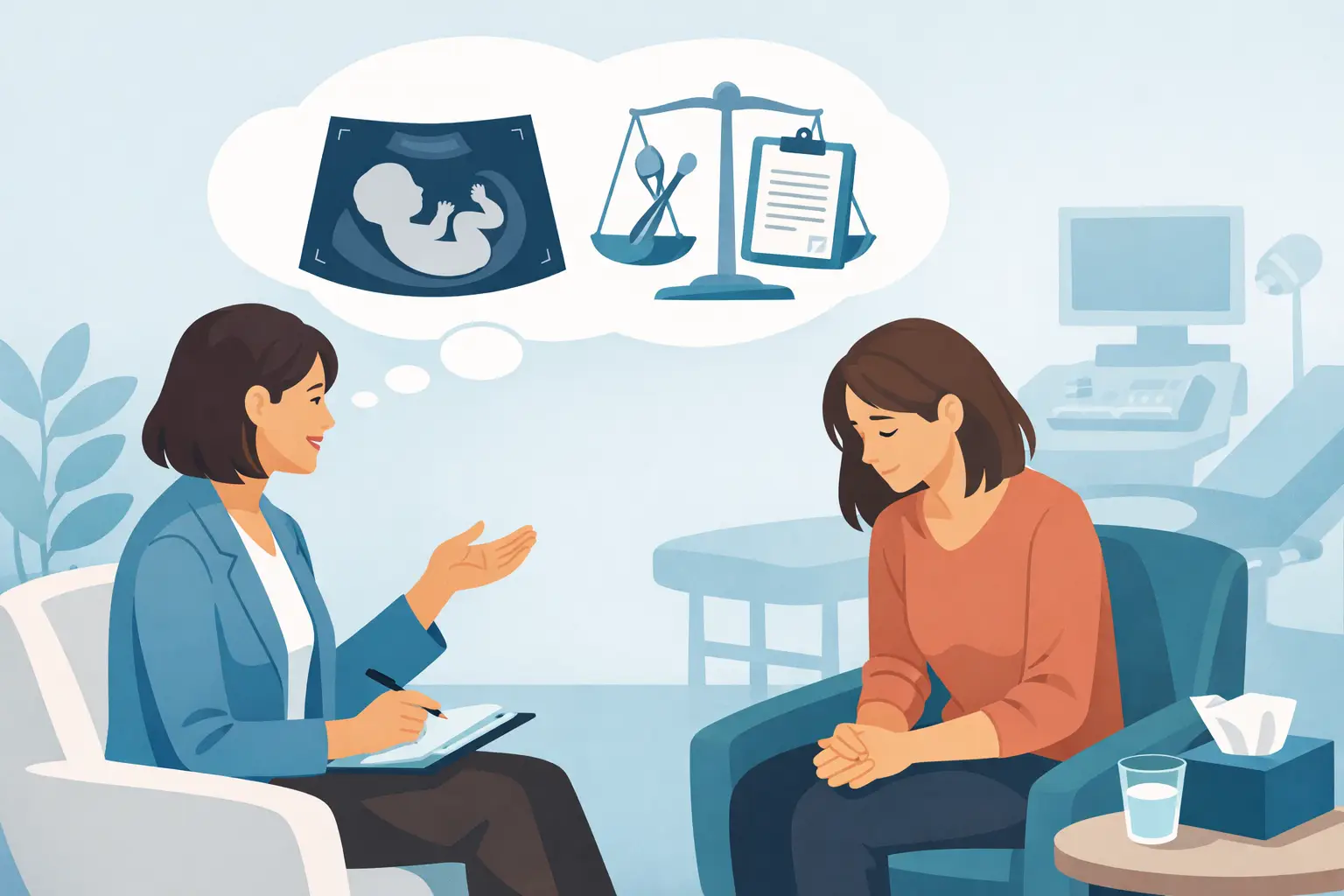
A rushed decision often feels heavier later. That is why abortion counselling before procedure matters – not to pressure you, delay you, or question your choice, but to give you clear medical guidance, emotional support, and privacy at a time when you may feel overwhelmed.
For many women, the hardest part is not only the pregnancy itself. It is the fear of being judged, the worry about confidentiality, and the pressure to decide quickly. Good counselling creates a calm space where you can ask direct questions, understand what happens next, and make a decision that feels informed rather than forced.
What abortion counselling before procedure actually involves
Abortion counselling before procedure is a private consultation that helps you understand your pregnancy stage, your available options, and the safest medical pathway for your situation. It should be factual, compassionate, and centred on your needs.
In a proper consultation, the clinician will usually ask about your last menstrual period, symptoms, medical history, previous pregnancies, allergies, and any medicines you are taking. This is not about interrogation. It is about safety. Certain health conditions, the length of the pregnancy, and your symptoms can affect whether abortion pills or a surgical procedure is more suitable.
Counselling should also explain what to expect physically. If you are considering a medical abortion, you need honest information about bleeding, cramping, timing, and follow-up. If a procedure is more appropriate, you should be told what happens before, during, and after treatment, including recovery and warning signs to watch for.
Why counselling matters before any abortion procedure
When women search for urgent help, they often want a fast answer. That is understandable. But fast should still be safe. Counselling reduces confusion and helps prevent decisions based on fear, misinformation, or pressure from other people.
It also helps confirm whether your symptoms fit a normal early pregnancy or whether there may be concerns that need prompt review, such as heavy bleeding, severe pain, or uncertainty about how far along the pregnancy is. In some cases, the best next step is not immediate treatment but an assessment first. That can feel frustrating when you want a quick solution, but it is part of responsible care.
There is also the emotional side. Some women feel certain from the start. Others feel clear about ending the pregnancy but anxious about the process. Some are dealing with a controlling partner, family pressure, or social stigma. Counselling gives space for those realities without taking control away from you.
What should be covered in pre-procedure counselling
A useful counselling session should leave you with fewer doubts, not more. You should come away understanding how many weeks pregnant you may be, which option is likely to be suitable, what the risks and expected effects are, and what follow-up care looks like.
You should also be told about practical points that make a real difference. These include how much bleeding is expected, when pain becomes a concern, whether you need someone with you afterwards, how soon you can return to normal activities, and when to seek urgent help. If your consultation avoids these questions or gives vague reassurance without specifics, it is not good enough.
Privacy should be discussed clearly as well. Many women need to know who will have access to their information, whether consultations are confidential, and whether partner or parental involvement is required. For patients in sensitive personal situations, this is not a minor detail. It is often one of the main reasons they delay seeking care.
Emotional support without pressure
Counselling is not meant to push you towards or away from abortion. Ethical care means supporting your decision-making, not directing it. If you already know what you want, the role of the clinician is to make sure your plan is medically safe and that you understand the process. If you are unsure, the role is to answer questions honestly and help you think clearly.
That balance matters. Some women need straightforward clinical information. Others need a little more emotional reassurance before they can move forward. Good counselling adapts to the person in front of the clinician rather than treating every case the same way.
Medical checks that protect your safety
Before any treatment, clinicians may need to assess the pregnancy properly. Depending on your circumstances, that may include reviewing dates, symptoms, and in some cases arranging a scan or further examination. This is especially important if there is uncertainty about gestation, unusual pain, or concerns about complications.
It can be tempting to look for the quickest route possible, especially if you are trying to keep everything private. But skipping proper assessment can create more risk, not less. Safe care begins with knowing what is medically appropriate for your stage of pregnancy and health history.
Abortion pills or procedure – why the answer depends
One of the most common reasons women seek counselling is to understand whether they need abortion pills or a surgical procedure. The answer depends mainly on how advanced the pregnancy is, but it can also depend on your health, symptoms, and preferences.
For an early pregnancy, medical abortion may be suitable. Many women prefer this because it can feel more private and less invasive. Even so, it is not always the easiest option. Bleeding and cramping can be intense, and the process can take hours or longer. Some women want that privacy. Others prefer a supervised procedure because it feels more controlled and predictable.
For later pregnancies, a surgical option is usually more appropriate. In these cases, counselling becomes even more important because women often need clear expectations about timing, comfort, recovery, and the steps involved. There is no single best option for everyone. The safest choice is the one that fits your medical needs and is explained properly.
What questions to ask during abortion counselling before procedure
If you are feeling anxious, it helps to keep your questions simple. Ask what stage the pregnancy appears to be, which method is medically suitable, what side effects are normal, what warning signs are not, and what support is available afterwards.
You can also ask practical questions that directly affect your decision. How long will the process take. Will you need a follow-up check. How soon can you travel, work, or care for children. How is your privacy protected. Will a female doctor be available if that matters to you. These are not small concerns. They shape whether care feels manageable and safe.
A good clinic will answer clearly, without judgement and without making you feel foolish for asking.
Choosing a confidential clinic you can trust
Not every service offering abortion support provides the same level of care. Some women are drawn by speed alone, especially when they are frightened. But discretion should never come at the cost of medical safety.
Look for a service that is clear about confidential care, proper assessment, and aftercare support. You should feel that your questions are welcome and that your situation is being taken seriously. If a provider seems evasive about safety, avoids discussing follow-up, or treats you like just another booking, trust your instincts.
For women in Dubai and across the UAE, privacy and legal clarity often matter as much as the treatment itself. A specialist provider such as Dr. Leena Abortion Centre should be able to explain your options calmly, protect your confidentiality, and help you move forward without unnecessary delay.
After counselling – what happens next
For some women, counselling confirms they are ready to proceed straight away. For others, it provides relief simply because they finally have reliable answers. Either outcome is valid.
If you decide to go ahead, you should know what the next step is, when treatment can happen, and what support remains available afterwards. If you need time to think, respectful care means giving you that space without pressure. Good counselling does not end when the conversation ends. It should leave you feeling steadier, more informed, and less alone.
When you are facing an unwanted or complicated pregnancy, clarity is a form of care. The right support will not make the decision for you, but it can make the path ahead feel safer, calmer, and far more manageable.
