
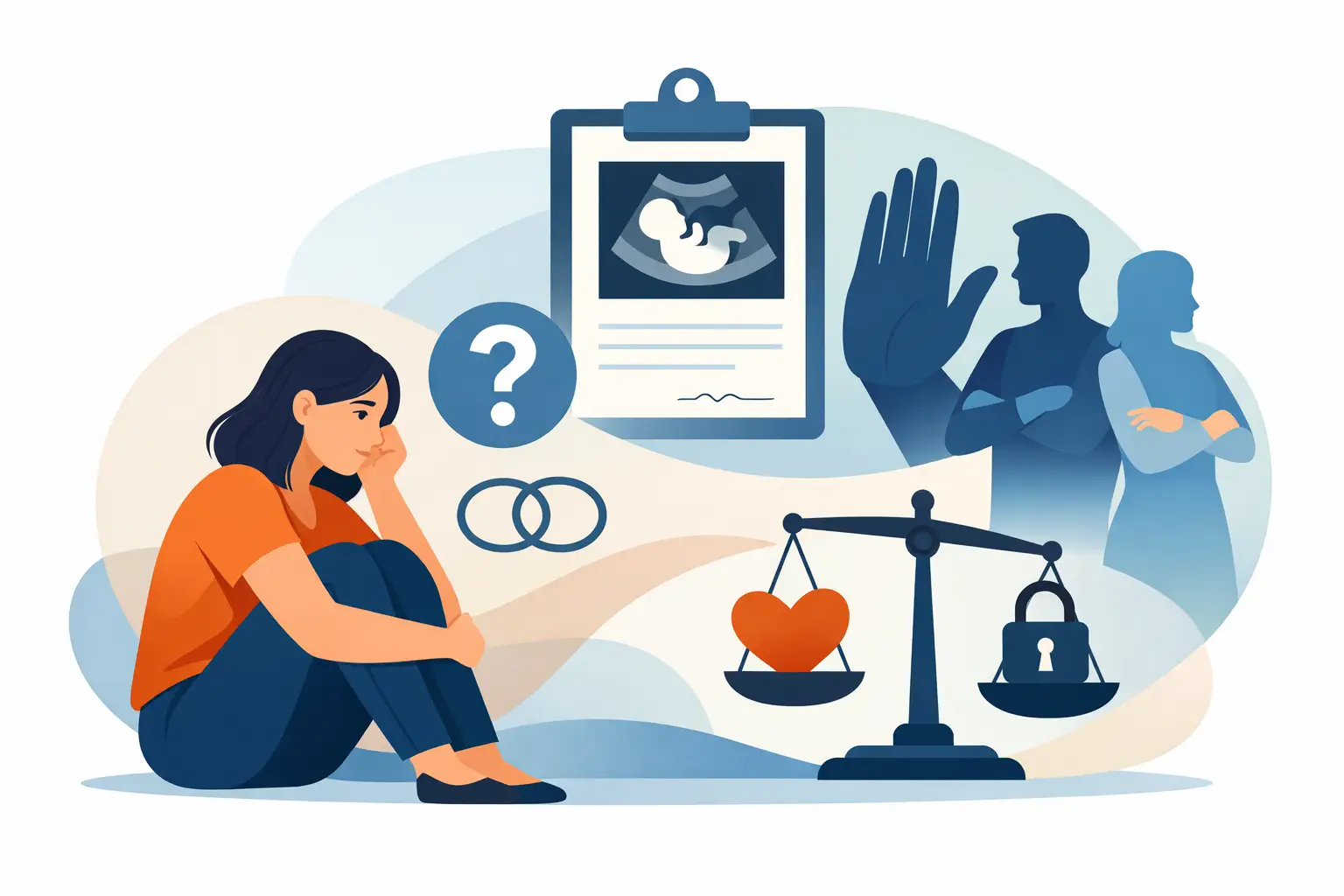
For many women, the hardest part is not the medical decision. It is the fear that somebody else will be told, asked, or allowed to interfere. If you are searching for answers about abortion without parental consent, you are likely looking for clarity fast, and you deserve information that is calm, private, and easy to trust.
The central question is simple: can a woman have an abortion without a parent’s permission? In many situations, yes. But the exact answer depends on age, legal rules in the country where care is provided, and the medical circumstances of the pregnancy. That is why it is always safer to speak with a qualified abortion provider rather than rely on rumours, social pressure, or advice from unverified online sources.
What abortion without parental consent really means
When people use the phrase abortion without parental consent, they usually mean one of two things. The first is whether a young woman under 18 can access abortion care without a parent signing or approving it. The second is whether confidentiality will be protected, so parents are not automatically informed.
Those are related concerns, but they are not exactly the same. Consent refers to who has the legal authority to agree to treatment. Confidentiality refers to who is told about that treatment. A woman may be able to consent to her own care in some cases, while still worrying about privacy. That is why a proper consultation matters. It gives you a clear answer about both.
Age, maturity, and legal capacity
There is no one-size-fits-all answer because consent laws are not universal. In some places, a person under 18 may still be allowed to make her own medical decisions if a doctor determines that she understands the treatment, the risks, and the alternatives. In other places, a parent or legal guardian may need to be involved.
This is where many women become confused. They hear a general rule and assume it applies in every clinic and every country. It does not. Legal standards can vary, and the way a case is assessed may also depend on medical urgency, safeguarding concerns, and local healthcare regulations.
If you are over 18, parental consent is generally not required for abortion care. If you are under 18, the issue becomes more specific. A qualified clinic will usually assess your age, your medical condition, and whether you are able to give informed consent yourself. That process should be respectful, confidential, and focused on your safety.
Why confidentiality matters so much
For some women, parental involvement is not simply uncomfortable. It may feel unsafe. There may be fear of punishment, forced continuation of pregnancy, emotional abuse, or serious family conflict. In those situations, privacy is not a luxury. It is part of safe care.
A compassionate abortion provider understands that fear. The goal should never be to increase panic. It should be to explain your options clearly, tell you what information is needed, and protect your confidentiality as far as the law allows.
That is one reason many women seek specialised services rather than general facilities. In a dedicated setting, the team is more likely to understand the urgency, sensitivity, and emotional pressure behind questions about consent, secrecy, and family involvement.
When the answer depends on the type of abortion
Another detail that can affect the conversation is the type of abortion being considered. Early pregnancies may sometimes be managed with medical abortion using prescribed medication, while later pregnancies may require a procedural or surgical approach. The legal and clinical pathway can differ depending on how many weeks pregnant you are.
That does not always change the core issue of parental consent, but it can change what assessments are required before treatment. For example, a clinic may need to confirm gestational age with more certainty, rule out complications, or carry out additional counselling before proceeding.
This is why timing matters. If you are considering abortion, delaying because of fear about consent can make the process more stressful and limit your options. Seeking advice early often gives you more privacy, more choice, and a simpler treatment pathway.
Abortion without parental consent and emotional pressure
A lot of women asking about parental consent are also facing pressure from other directions. A partner may be involved. A friend may be pushing one option. Family expectations may be hanging over every decision. It can become difficult to tell whether you are making your own choice or reacting to fear.
Good abortion care should create space for your own decision. That means no judgement, no coercion, and no pressure to continue or end a pregnancy against your will. If parental consent is not legally required in your case, nobody should present family approval as a medical necessity. If involvement is required, the clinic should explain that carefully and honestly, not use scare tactics.
The right consultation helps separate facts from pressure. It also gives you a chance to ask practical questions that matter in real life, such as how appointments are arranged, what records are kept, who can access them, and what aftercare you will need.
What to ask a clinic if you are worried
If you are searching in a rush, ask direct questions. Is parental consent legally required for someone of your age? Will your information be kept confidential? Who will know about the appointment? What identification or documents are needed? If you are under 18, how is capacity to consent assessed? If treatment cannot be provided immediately, what are the next steps?
A trustworthy provider should answer without judgement. Vague answers, pressure to buy medication without assessment, or promises that sound too absolute should make you cautious. Private abortion care should still be medically supervised, legally compliant, and tailored to your specific situation.
The danger of self-managing without proper advice
When a woman fears being discovered, she may look for the quickest possible route and consider ordering pills without a consultation. That choice can feel private in the moment, but it can also carry real risk if the pregnancy dates are wrong, the medication is unsuitable, or there is an ectopic pregnancy that needs urgent attention.
Privacy matters, but so does medical safety. A proper provider will explain whether abortion pills are appropriate, how to use them correctly, what bleeding and pain to expect, and when to seek help. They will also provide follow-up support. That kind of care is especially important if you are trying to handle a difficult situation quietly.
Getting clear answers in the UAE
For women seeking confidential abortion information in the UAE, legal clarity is often the first concern. The safest approach is always to speak with an experienced provider who can explain what is possible based on your age, pregnancy stage, and individual circumstances. Dr. Leena Abortion Centre supports women with private, judgement-free consultations and clear guidance on lawful, medically supervised care.
That matters because online discussions often mix laws from different countries and create more confusion. What applies in one place may not apply in another. If you need fast answers, personalised advice is worth far more than general internet claims.
You are allowed to ask for private, respectful care
Women who ask about abortion without parental consent are often made to feel as though they are doing something wrong by seeking privacy. They are not. Asking who will be told, who must consent, and how your information is handled is a normal part of protecting your health.
Even when the legal answer is not the one you hoped for, a good clinic should still treat you with dignity. You should be told the truth clearly, offered the safest available next step, and supported without shame. That is what ethical care looks like.
When to seek help now
If you think you may be pregnant and are worried about parental involvement, do not wait until panic takes over. The earlier you ask for advice, the more options you are likely to have. Early assessment can confirm the pregnancy, estimate how many weeks you are, and clarify whether medical abortion or a procedure may be suitable.
It can also answer the question that may be keeping you awake: whether anyone else needs to be involved at all. Sometimes the fastest way to regain control is not to keep searching. It is to speak to a qualified professional who can tell you exactly where you stand, confidentially and without judgement.
You do not need to face fear, secrecy, and uncertainty on your own. The right support begins with one honest conversation.