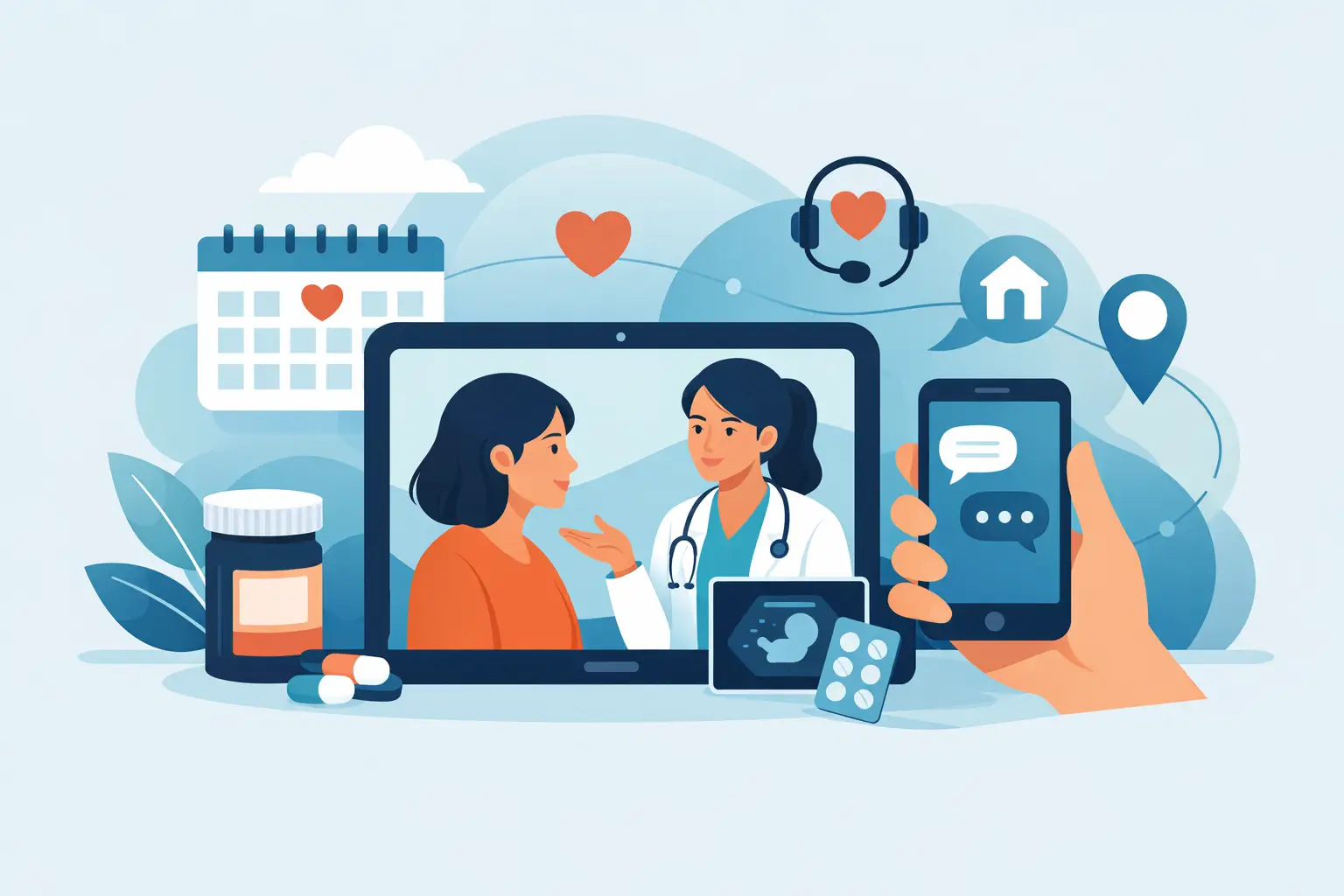
A woman who needs abortion care rarely has the luxury of waiting calmly for answers. Most are looking for privacy, speed, clear medical guidance, and reassurance that they will not be judged. That is exactly why telehealth abortion support trends matter so much right now. They are changing how women ask questions, confirm eligibility, receive medication guidance, and get aftercare without feeling exposed at one of the most stressful moments of their lives.
For many patients, telehealth is not about convenience alone. It is about control. When someone is worried about being recognised, afraid of family pressure, or unsure who to trust, remote support can feel safer than a crowded waiting room. At the same time, good care still depends on proper screening, legal compliance, and access to a qualified doctor when symptoms, timing, or pregnancy stage make the situation more complex.
Why telehealth abortion support trends are growing
The growth is being driven by a simple reality: women want confidential care that fits real life. A patient may be balancing work, travel, children, social pressure, or a relationship she does not want involved in her medical decision. In those moments, private digital contact with a clinic can remove a major barrier to getting help early.
Another reason is speed. Early pregnancy decisions are often time-sensitive. Telehealth allows quicker first contact, faster counselling, and more direct triage. Instead of spending days trying to work out where to go and what is allowed, patients can often begin with a discreet consultation, receive guidance on the safest next step, and understand whether abortion pills or a procedure are more appropriate.
There is also a trust factor. Women are increasingly looking for female-led, judgment-free care where they can speak openly. Remote consultations can make difficult conversations easier, especially for unmarried women or anyone worried about stigma. Asking sensitive questions from a private setting often feels less intimidating than discussing them face to face straight away.
The biggest telehealth abortion support trends in patient care
One clear trend is the move from basic messaging to structured medical support. Patients no longer want a vague answer over chat. They want proper screening, clear instructions, expected symptom guidance, warning signs, and follow-up that feels clinically sound. The stronger providers are the ones treating telehealth as a real care pathway rather than a quick exchange of messages.
Another shift is the rise of hybrid care. This means telehealth is used for the parts of care that can safely happen remotely, while in-person treatment is arranged when needed. That balance matters. Some women are suitable for medical abortion support after remote review. Others need scans, blood tests, or surgical care. The trend is not that everything is moving online. It is that good clinics are becoming better at knowing what can be done remotely and what should never be handled casually.
There is also growing demand for same-day responsiveness. Women in distress do not want to wait days for a reply. Fast answers about bleeding, pain, dosage timing, eligibility, or failed medication are becoming a standard expectation. In practice, this means telehealth support is increasingly judged not just by availability, but by how quickly a woman can speak to someone qualified and get medically useful guidance.
A further trend is stronger aftercare delivered remotely. This is especially valuable because many patients feel most anxious after treatment starts, not before. They may wonder if cramping is normal, whether the bleeding is too light or too heavy, or when to take the next tablet. Telehealth follow-up can reduce panic and help women recognise the difference between expected symptoms and signs that need urgent review.
Privacy is no longer a bonus – it is central
For women seeking abortion care, confidentiality shapes every decision. Many patients are not comparing providers on price first. They are asking who will protect their information, who will speak discreetly, and who will avoid exposing them to unnecessary conversations or documentation.
That is why one of the most important telehealth abortion support trends is a stronger focus on privacy-centred communication. Patients increasingly expect secure contact, discreet follow-up, and communication that respects their circumstances. Even small details matter, such as how a clinic messages, when it calls, or what information is requested at the start.
This is particularly relevant in places where women may fear social consequences if someone finds out they are seeking abortion advice. A confidential telehealth pathway can reduce that pressure. But privacy should never come at the expense of safety. A trustworthy service protects both. It keeps the woman’s information discreet while still making sure she receives proper medical assessment and knows when in-person care is required.
What patients now expect from remote abortion support
Women are becoming more informed, and their expectations are rising. They want care that is fast, but not rushed. They want kindness, but also medical clarity. They want a female doctor or supportive clinician who will answer direct questions honestly, including the uncomfortable ones.
They also expect guidance tailored to pregnancy stage. Early medical abortion support is very different from care later in pregnancy. Remote advice must reflect this clearly. It should explain what treatment may be possible, what checks are needed first, and when a procedure is the safer route. General reassurance is helpful, but only when it is paired with accurate, stage-appropriate information.
Another expectation is practical communication. Women want to know what happens next, how long symptoms may last, when they can travel, when to test again, and what warning signs should never be ignored. This kind of information reduces fear because it gives the patient a sense of control at a time when she may feel overwhelmed.
Where telehealth helps most – and where it depends
Telehealth can be extremely effective for first consultations, counselling, reviewing symptoms, discussing options, medication guidance, and aftercare. It is especially helpful for women who need immediate answers but are not ready to attend in person without understanding their choices.
Still, there are limits. If dates are uncertain, symptoms suggest an ectopic pregnancy, bleeding is unusually heavy, severe pain is present, or the pregnancy is further along, remote support alone may not be enough. In those cases, in-person examination, scanning, or procedural care may be essential. The safest approach is never to pretend that telehealth can replace every part of abortion care.
That is where experienced providers stand apart. They do not oversimplify. They know when remote care is appropriate and when the woman needs to be seen quickly. That honesty builds trust. It also protects patients from the false reassurance that can happen when abortion support is treated like an online retail transaction rather than healthcare.
How clinics are adapting to these trends
Leading providers are building services around the patient journey rather than a single appointment. That means combining remote consultation, confidential counselling, medication support where appropriate, and clear escalation to in-person care when needed. The result is a smoother experience for women who want both privacy and medical supervision.
Clinics are also using telehealth to improve continuity. Instead of a patient speaking to one person for booking, another for advice, and no one after treatment, better systems create a clearer chain of support. That continuity matters because women often need reassurance from someone who already understands their case.
At Dr. Leena Abortion Centre, this model fits what many women are actively seeking: confidential guidance, female-led care, and practical help that respects urgency without compromising safety. For patients in Dubai and across the UAE, that combination can make the process feel less isolating and far more manageable.
What these trends mean for women seeking care now
The real change is not just digital access. It is the shift towards care that feels more private, more responsive, and more centred on the woman’s actual circumstances. Telehealth has made it easier to ask for help early, clarify options quickly, and receive follow-up without unnecessary exposure.
That said, women should still be careful about where they turn. Compassion matters, but so does medical oversight. Speed matters, but so does proper assessment. The best telehealth abortion support trends are the ones that combine confidentiality with clinical responsibility, not one at the expense of the other.
If you are seeking abortion support, the most helpful next step is not to panic or rely on guesswork. Look for care that is discreet, legally compliant, and medically supervised, with clear answers and real aftercare. When support is handled properly, telehealth can offer something many women need most: calm, private guidance at the exact moment they need it.